Charting Sequential Bonus Activations Across Multi-Platform Slot Networks
Written by Mia Schmidt · Aug 16, 2026
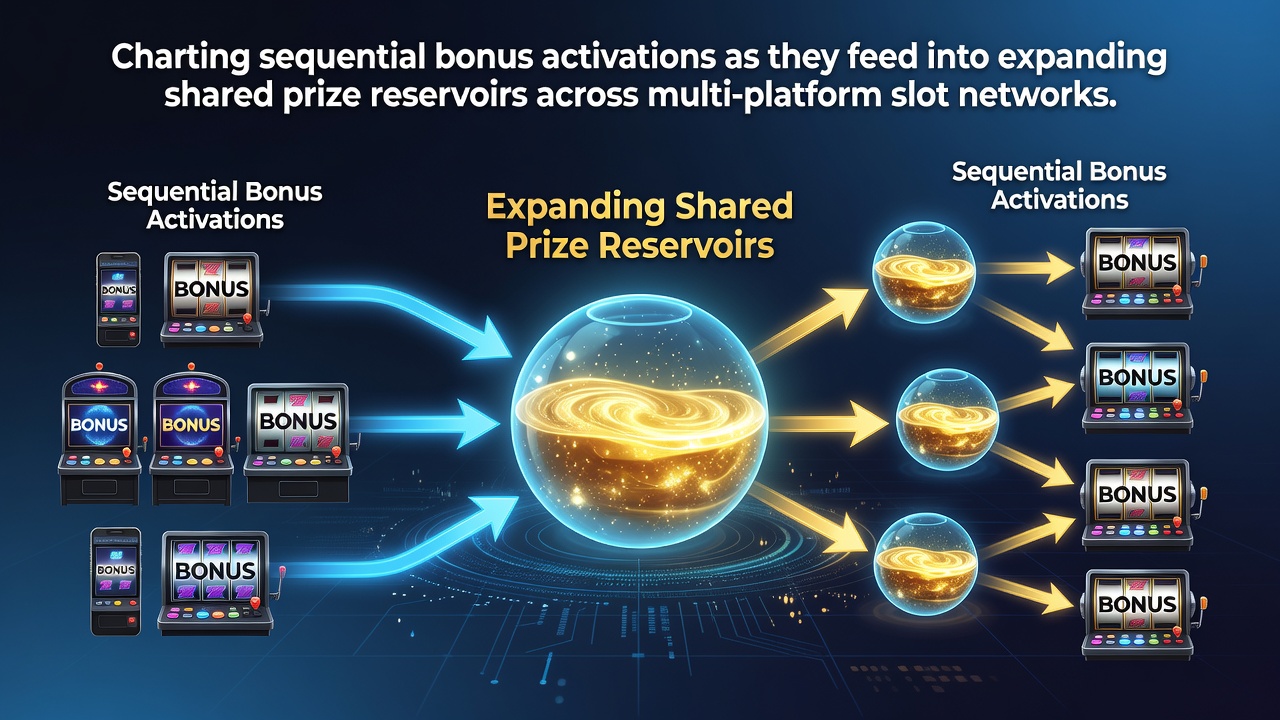
Charting Sequential Bonus Activations Across Multi-Platform Slot Networks
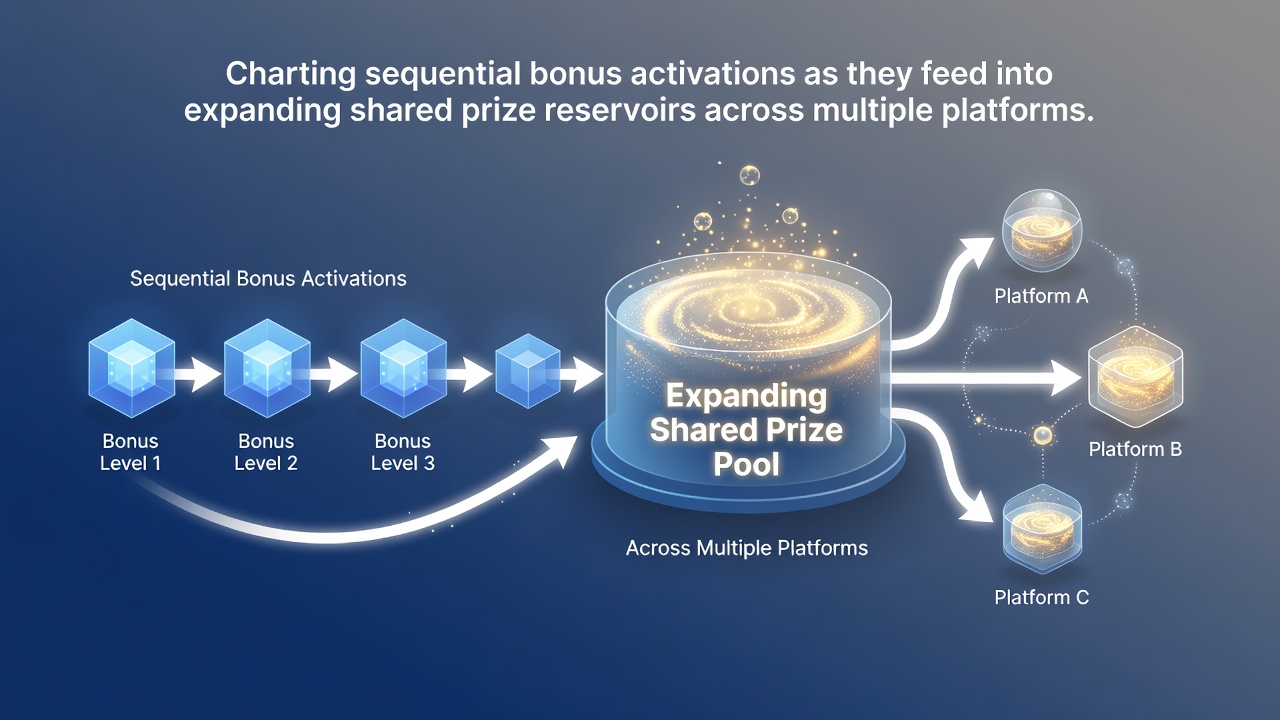
Sequential bonus activations operate as chained events where each triggered feature contributes incremental value to shared prize reservoirs maintained across interconnected slot platforms, and operators track these sequences through centralized ledgers that update in real time as players move between devices and jurisdictions. Data from August 2026 shows continued expansion of these networks, with contribution rates varying by game type and operator agreements that allocate portions of wagers directly into progressive pools.
How Sequential Triggers Build Reservoir Growth
Each bonus round starts with a base activation that feeds a percentage of the stake into the reservoir, after which follow-up features such as retriggers or multipliers compound the input without resetting the contribution meter, and this layering allows modest individual bets to accumulate across thousands of sessions. Observers note that platforms synchronize these inputs through API handshakes that timestamp every activation, ensuring no overlap occurs when a player switches from desktop to mobile mid-sequence.
Contribution pathways differ by network tier, with lower-tier games routing smaller percentages while flagship titles direct larger shares toward the main reservoir, and this tiered structure maintains balance so that high-volume games do not overwhelm smaller contributors. Studies indicate that sequences lasting four or more linked bonuses produce measurably higher reservoir inflows compared with isolated triggers, because each extension multiplies the base contribution before the round concludes.
Cross-Platform Synchronization Mechanics
Multi-platform networks rely on unified player accounts that carry contribution history forward regardless of device, which means a bonus sequence begun on a tablet continues its reservoir feed when the same account logs in via a different terminal later the same day. Regulators in several regions require audit trails for these transfers, and compliance reports from bodies such as the iGaming Ontario document the volume of cross-device movements recorded each month.
Reservoir expansion also depends on geographic pooling rules that cap or accelerate growth based on local player density, while international segments merge only after currency conversion and regulatory clearance steps complete. Those who manage these systems emphasize that latency under 200 milliseconds between platforms prevents contribution loss during handoffs, and testing protocols verify this threshold across peak traffic periods.
Measurement and Reporting Standards
Operators publish aggregated contribution metrics that break down sequential patterns by game category and session length, yet individual player sequences remain anonymized under privacy frameworks. Research from the International Association of Gaming Regulators outlines standardized reporting templates that separate base game contributions from bonus-driven inflows, allowing comparisons across networks that operate under different licensing regimes.
August 2026 figures reveal steady month-over-month growth in reservoir balances for networks that support at least three sequential bonus types, whereas single-bonus formats show flatter trajectories. These patterns emerge from timestamped logs that record activation order, wager size at each step, and final reservoir credit, providing the raw data used for both compliance audits and internal forecasting models.
Conclusion
Sequential bonus activations continue to serve as measurable inputs that expand shared prize reservoirs through structured contribution rules and synchronized platform architecture, with data collection practices supporting transparency across participating operators. The mechanics remain consistent even as network scale increases, because each activation follows predefined allocation percentages that feed into the collective pool without regard to individual session outcomes.