Charting Synchronized Data Streams Across Multi-State Gaming Platforms That Expand Collective Prize Pools Through Calibrated Retention Algorithms
Written by Eden Otto · Jul 23, 2026
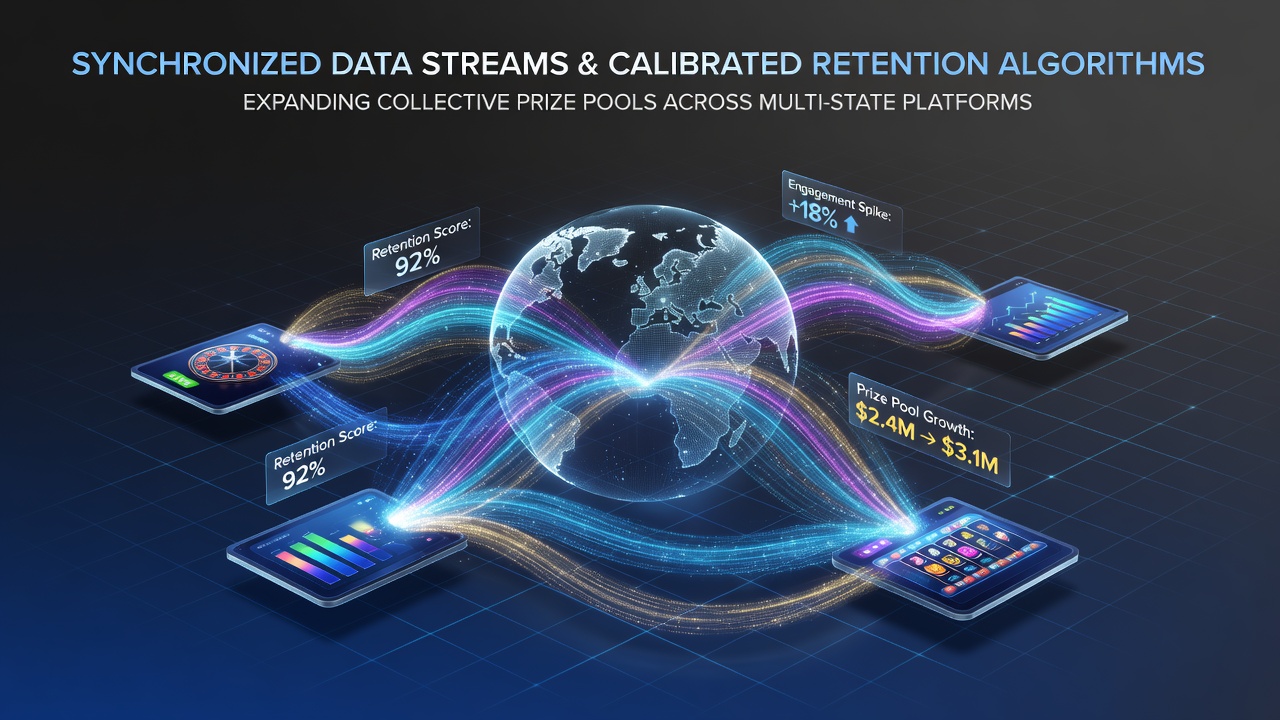
Charting Synchronized Data Streams Across Multi-State Gaming Platforms That Expand Collective Prize Pools Through Calibrated Retention Algorithms
Data synchronization across multi-state gaming platforms operates through interconnected networks that aggregate player activity metrics in real time while algorithms adjust retention incentives to feed collective prize pools, and platforms operating under varied state regulations must align these streams without violating jurisdictional boundaries.
Mechanics of Cross-State Data Integration
Platforms transmit player session data, wager volumes, and bonus interactions through standardized APIs that reconcile differences in state reporting requirements, yet the process relies on middleware layers that timestamp and normalize entries from sources in jurisdictions such as New Jersey, Pennsylvania, and Michigan. Observers note that these systems process millions of transactions daily, routing contributions from each wager into shared ledgers where retention algorithms calculate incremental additions to progressive pools based on calibrated thresholds.
Retention Algorithms and Player Engagement Loops
Calibrated retention algorithms analyze behavioral patterns including session length, deposit frequency, and game selection to determine personalized bonus triggers that encourage continued play, and these triggers simultaneously allocate portions of generated revenue toward expanding collective jackpots. Research from industry reports indicates that such algorithms operate on predictive models trained on anonymized datasets spanning multiple states, allowing platforms to maintain engagement rates while directing surplus funds into synchronized prize structures that grow across borders.
One study released by the American Gaming Association tracked how retention parameters shift dynamically when player activity crosses state lines, with adjustments made to comply with local tax and payout rules without disrupting the unified pool growth.
Expansion of Collective Prize Pools
Collective prize pools expand when synchronized streams capture contributions from diverse player bases and feed them into centralized progressive systems, and calibrated algorithms ensure that retention offers do not deplete the pool below sustainable levels. Data from multi-jurisdictional networks shows that pools linked across three or more states have recorded steady monthly increases tied directly to algorithm-driven retention campaigns that boost average session values by measurable margins.
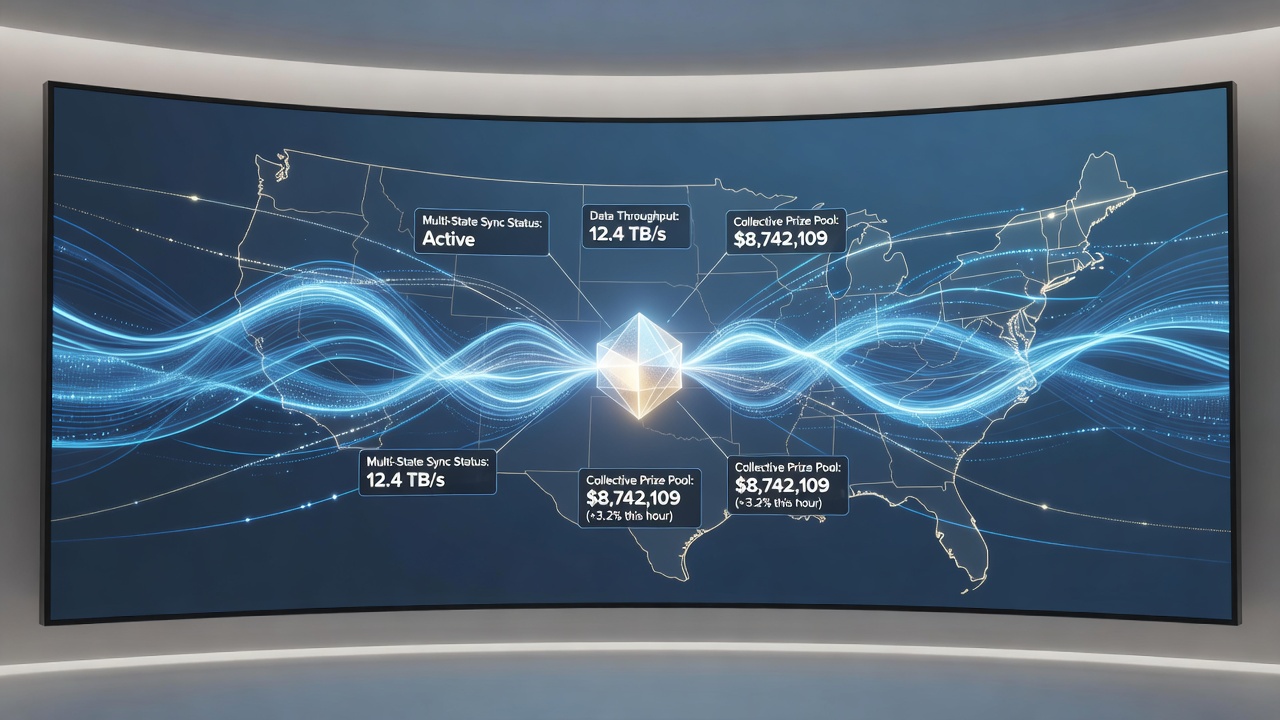
Those who monitor these systems point to the role of latency controls that keep data streams aligned within milliseconds, preventing discrepancies that could otherwise stall pool updates during peak hours. In July 2026, several platforms reported integration upgrades that further tightened synchronization tolerances, resulting in faster pool increments visible to players across participating states.
Regulatory and Technical Considerations
Multi-state operations require compliance frameworks that segment data flows according to each jurisdiction's oversight, while still allowing aggregated metrics to inform retention strategies that benefit the shared pool. Technical teams deploy encryption protocols and audit trails to satisfy regulators in separate states, and these safeguards run parallel to the algorithms that decide when and how much to allocate from player activity into the collective prize.
Figures from a Gambling Research Exchange Ontario analysis highlight correlations between retention calibration frequency and pool growth rates, demonstrating that more frequent adjustments correlate with higher contribution volumes from cross-state sessions.
Implementation Across Networks
Networks deploy these systems through modular architectures where state-specific modules handle local data ingestion before forwarding normalized packets to a central synchronization hub, and the hub applies retention rules that scale offers based on individual player profiles while maintaining uniform pool contribution percentages. This setup allows platforms to respond to regional player preferences without fracturing the unified prize mechanism.
Case examples from operational logs show instances where a retention algorithm in one state triggered a bonus sequence that increased wager activity, subsequently boosting the shared pool by amounts tracked in real-time dashboards available to network operators.
Conclusion
Synchronized data streams combined with calibrated retention algorithms continue to shape how multi-state gaming platforms build and maintain collective prize pools, with ongoing refinements in July 2026 reflecting both technological advances and regulatory adaptations across jurisdictions. These processes rely on precise integration of behavioral data and revenue allocation rules to sustain growth without compromising compliance standards in any participating state.