Decoding Contribution Pathways in Shared Digital Prize Pools Across Multi-Jurisdictional Slot Networks
Written by Mia Schmidt · Jun 4, 2026
Decoding Contribution Pathways in Shared Digital Prize Pools Across Multi-Jurisdictional Slot Networks
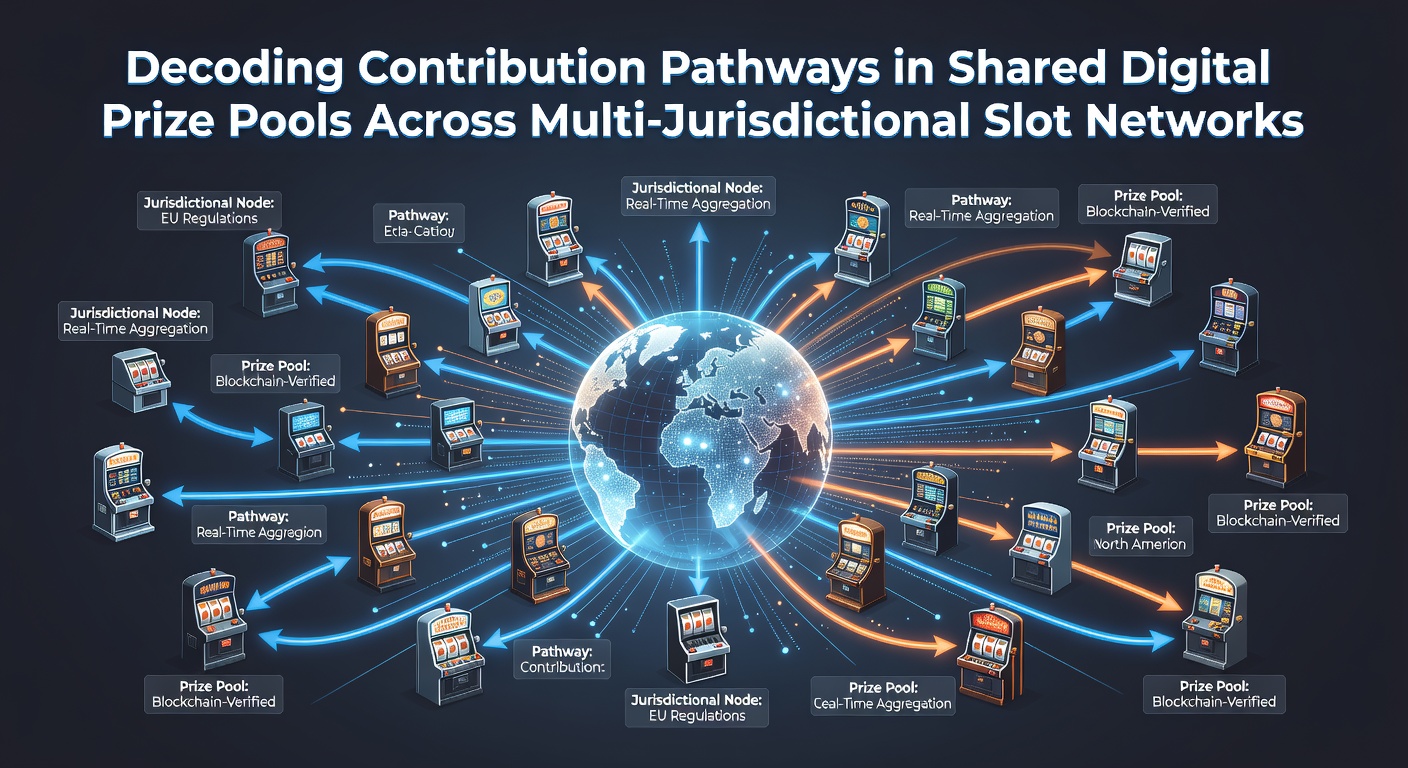
Shared digital prize pools operate through layered contribution mechanisms that aggregate wagers from slot networks spanning multiple regulatory jurisdictions, and these pathways determine how individual bets feed into progressive jackpots while complying with varying legal frameworks. Operators route contributions via centralized servers that track percentage allocations from each spin, yet the process grows more intricate when games cross borders because different regions impose distinct tax structures, licensing rules, and payout caps that affect the final pool size.
Core Mechanics of Contribution Allocation
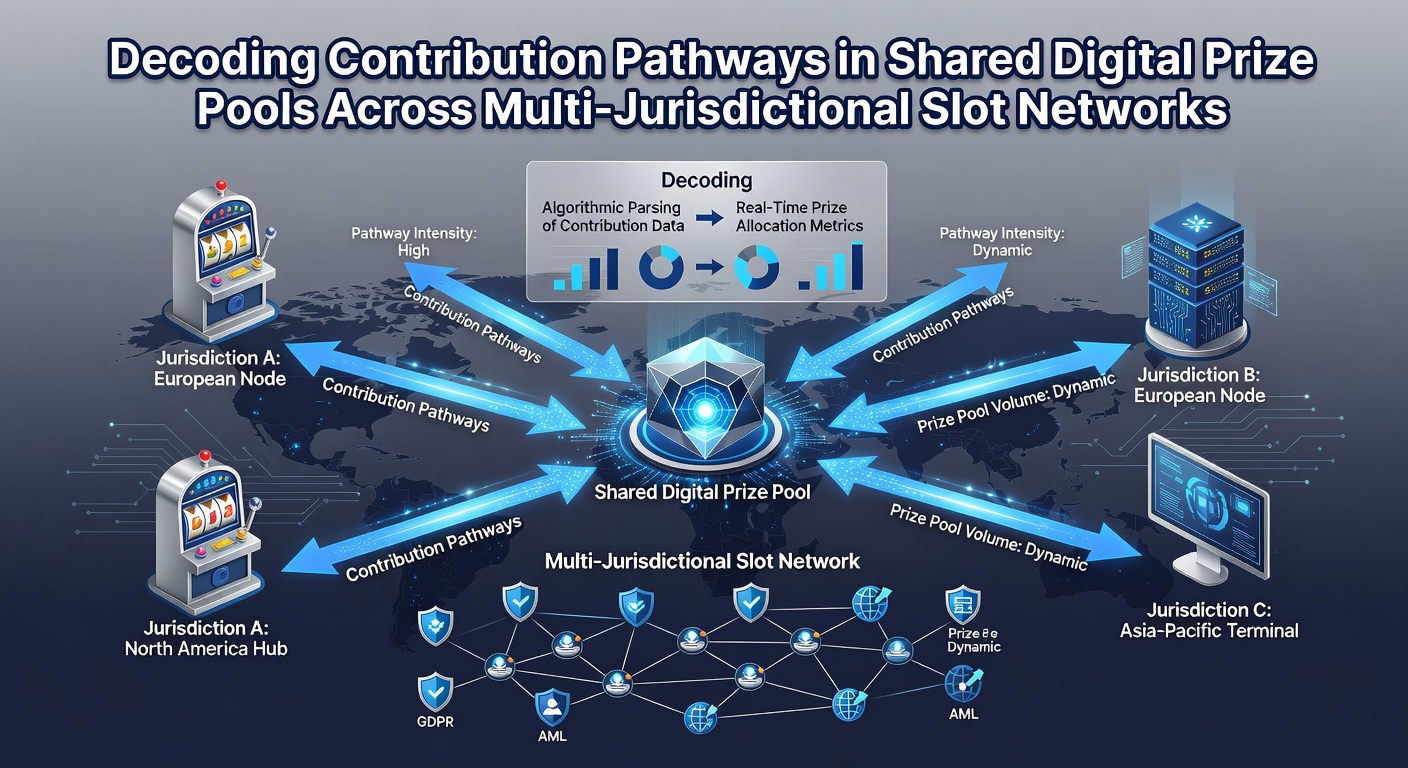
Each participating jurisdiction sets its own contribution rate, often ranging between one and five percent of every qualifying wager, and software providers program these percentages into the game logic so that funds flow automatically into the shared pool. Data indicates that major networks synchronize these rates through application programming interfaces that update in real time, allowing adjustments when regulators revise policies. For instance, one study from the University of Nevada's International Gaming Institute revealed that synchronized pools grew 18 percent faster than isolated ones during periods of regulatory stability.
Multi-jurisdictional setups require operators to segment contributions by player location because certain territories prohibit cross-border pooling while others permit it under strict oversight. Network administrators therefore embed geolocation checks and jurisdictional flags into every transaction record, which ensures that funds from restricted areas remain segregated even as the overall jackpot display updates for all users.
Regulatory Variations Across Regions
European markets coordinated through the Malta Gaming Authority have established standardized reporting templates that track contribution percentages across member states, whereas North American frameworks such as those administered by the Ontario Lottery and Gaming Corporation emphasize separate audit trails for each province. These differences create distinct contribution pathways because operators must maintain parallel ledgers that reconcile daily. Figures from industry reports show that reconciliation discrepancies dropped below two percent after major platforms adopted blockchain-based logging in early 2025.
Australian regulators, including the Australian Communications and Media Authority, require operators to declare contribution sources by state, which adds another verification layer before funds enter the shared pool. This requirement means that a single progressive slot title may process contributions through five or more separate compliance checks before the jackpot meter advances.
Technical Infrastructure Supporting Cross-Border Pools
Modern contribution pathways rely on distributed ledger technology and high-speed data pipelines that transmit wager details within milliseconds, and these systems tag each transaction with jurisdiction identifiers so that pools remain compliant even during peak traffic. Observers note that platforms using hybrid cloud architectures experienced fewer interruptions during the June 2026 regulatory updates in several Canadian provinces, when contribution caps were temporarily adjusted.
Software vendors such as those supplying major international networks embed failover protocols that reroute contributions if one jurisdiction's gateway experiences latency, and this redundancy keeps jackpot growth steady across regions. Research conducted by the Gambling Research Exchange Ontario found that such protocols reduced contribution loss events by 27 percent compared with earlier centralized models.
Challenges in Currency Conversion and Taxation
Shared pools denominated in multiple currencies require constant conversion at prevailing exchange rates, which introduces small variances that accumulate over time and affect final payout calculations. Operators therefore apply daily average rates published by central banks to maintain consistency, while tax authorities in each jurisdiction claim their portion before the remaining balance rolls into the progressive meter. This sequential deduction process creates visible differences in growth speed between pools that span high-tax versus low-tax regions.
One documented case involved a European-Asian network that adjusted its contribution pathways after June 2026 tax harmonization talks began, resulting in more predictable pool increments across both markets. Those adjustments required updates to the core allocation algorithms yet preserved the overall jackpot visibility for players regardless of location.
Future Developments in Pool Synchronization
Industry associations continue to explore standardized contribution protocols that could simplify multi-jurisdictional operations, and pilot programs launched in 2025 demonstrated that unified reporting reduced administrative overhead by nearly 30 percent. Such initiatives focus on common data formats that allow regulators from different continents to access the same contribution records without duplicating verification steps.
Advances in real-time analytics further refine these pathways by identifying anomalies in contribution flows before they trigger compliance flags, and several networks reported smoother operations after implementing these monitoring tools ahead of the June 2026 reporting cycle.
Conclusion
Contribution pathways in shared digital prize pools across multi-jurisdictional slot networks depend on precise coordination between technical systems, regulatory requirements, and financial reconciliation processes. Data from multiple oversight bodies shows that networks maintaining clear jurisdictional segmentation and automated verification achieve more stable jackpot growth, while ongoing standardization efforts point toward further efficiency gains in the coming years.