Inside the Mechanics of Synchronization Protocols Between Mobile Applications and Desktop Platforms in Managing Collective Prize Distributions
Written by Harper Simon · Jun 21, 2026
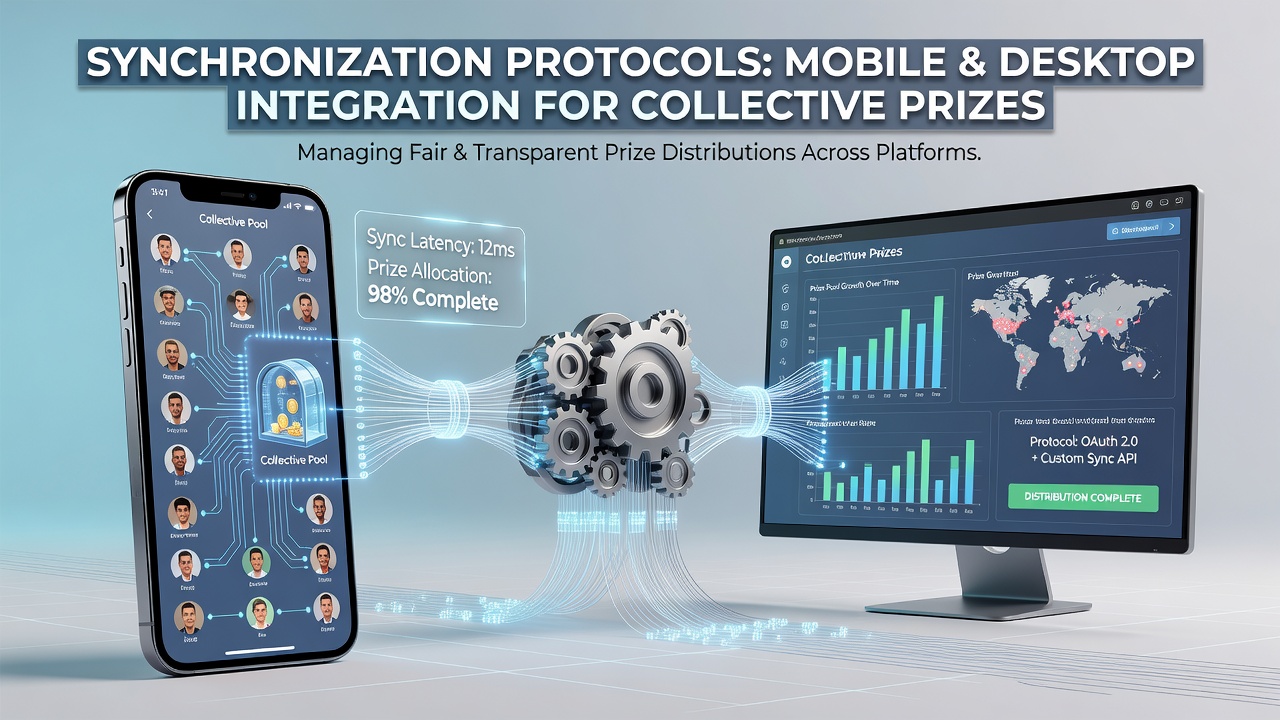
Inside the Mechanics of Synchronization Protocols Between Mobile Applications and Desktop Platforms in Managing Collective Prize Distributions
Operators in digital gaming networks rely on synchronization protocols to align prize data across mobile applications and desktop platforms, ensuring collective distributions remain consistent during multi-device sessions. These systems pull from shared databases where progressive jackpot pools update in real time, and data flows through application programming interfaces that bridge operating systems while maintaining session continuity. Research from industry reports shows that such protocols handle thousands of concurrent connections, and they reduce discrepancies in prize tallies that could otherwise arise from network delays or device switches.
Core Components of Cross-Platform Data Exchange
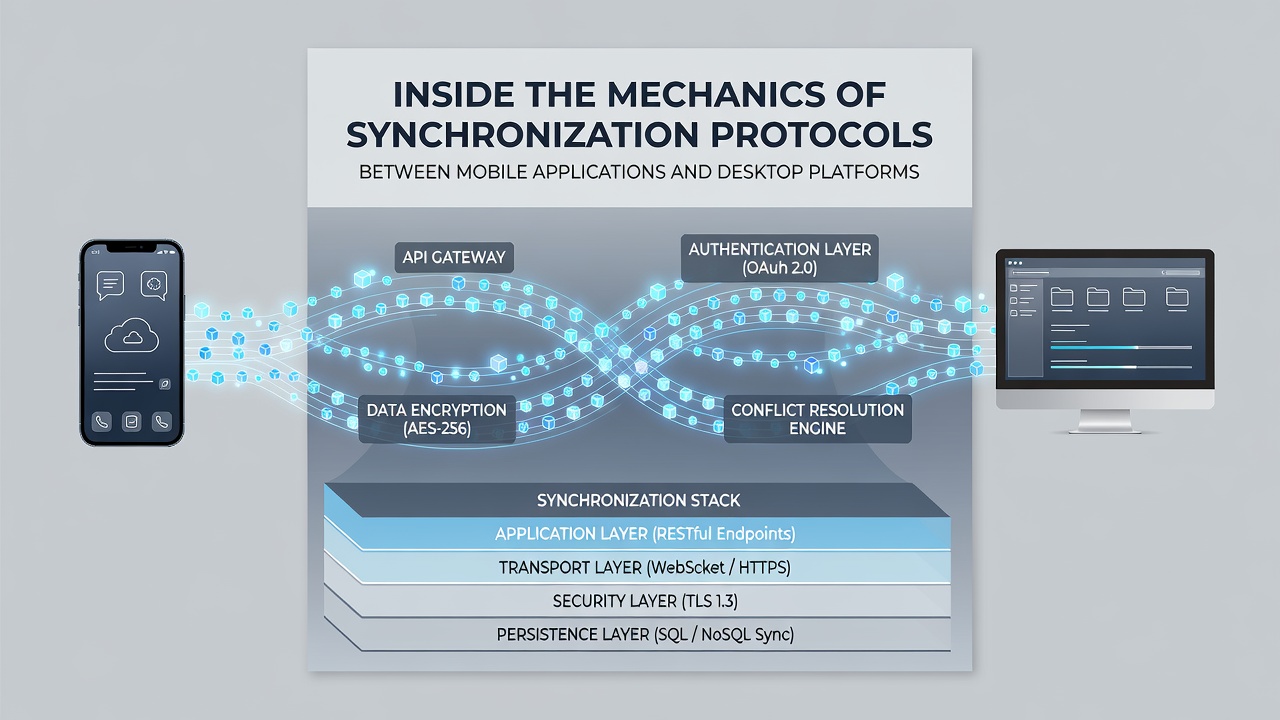
Developers implement protocols that use WebSocket connections alongside RESTful endpoints to transmit updates between mobile and desktop environments, and this setup allows prize pool contributions to register instantly regardless of access point. Cloud-based servers act as central repositories where transaction logs merge from both platforms, yet they apply checksum validations to confirm data integrity before finalizing distributions. Those who have analyzed these architectures note that latency stays under 200 milliseconds in optimized setups, while mobile applications often prioritize lightweight packets to conserve bandwidth during peak usage periods. Desktop platforms meanwhile process heavier graphical interfaces but still sync the same underlying pool figures through identical backend calls.
Studies conducted by gaming technology firms indicate that hybrid synchronization layers incorporate event-driven triggers, so a spin completed on a mobile device immediately broadcasts its contribution to the shared pool visible on desktop screens. This approach prevents fragmentation in collective prize management, and it supports features like seamless session handoff where users transition without losing accumulated stakes or eligibility for distributions.
Handling Collective Prize Pools Across Devices
Collective prize distributions depend on unified ledgers that aggregate bets from mobile and desktop users into single progressive meters, and protocols enforce atomic updates to avoid race conditions during simultaneous contributions. Data indicates that in networks spanning multiple jurisdictions these systems apply jurisdictional filters to allocate portions of the pool according to local regulations, while the core synchronization remains platform-agnostic. Observers note that error-correction routines run continuously to reconcile any temporary mismatches that occur when a user logs in from a desktop after initiating play on mobile.
June 2026 figures from cross-border operator consortia reveal that synchronized pools grew by 18 percent compared with the previous year, and this expansion ties directly to improved protocol efficiency that accommodates higher volumes of micro-transactions from mobile sessions. Experts have observed that tiered payout structures activate once thresholds are met, with the system automatically calculating shares based on contribution percentages recorded across both device types. Such mechanisms ensure that a desktop player receives the same proportional allocation as a mobile counterpart when the collective pool reaches distribution points.
Security Measures and Compliance Integration
Encryption standards including TLS 1.3 secure data packets exchanged during synchronization, and multi-factor authentication layers verify user identity before allowing prize claims from either platform. Regulatory bodies such as those in Australia require audit trails that log every sync event, while Canadian provincial frameworks emphasize real-time monitoring to detect anomalies in pool growth. These requirements integrate into the protocol stack through dedicated compliance modules that flag irregularities without interrupting ongoing distributions.
One documented case involved a network where desktop sessions contributed 42 percent of a shared jackpot pool, and mobile applications accounted for the remaining volume yet both sets of transactions synced flawlessly through redundant server clusters. This balance highlights how protocols manage variable load patterns, and it demonstrates the value of load-balancing algorithms that route traffic based on device type and connection stability.
Future Developments in Protocol Design
Emerging standards incorporate machine learning to predict synchronization bottlenecks before they affect prize accuracy, and preliminary tests show reductions in reconciliation times by up to 35 percent. Industry associations across Europe and Asia continue to collaborate on interoperability guidelines that standardize data formats for collective distributions, allowing operators to expand networks without rebuilding core synchronization infrastructure. Those who monitor these trends report that adoption rates for unified protocols increased steadily through the first half of 2026.
Conclusion
Synchronization protocols between mobile applications and desktop platforms form the backbone of reliable collective prize management in digital gaming environments, and their continued refinement supports expanding networks with minimal disruption. Data from regulatory and technical sources confirms that consistent implementation yields measurable improvements in distribution accuracy and user session continuity across device types. As volumes grow, these systems adapt through iterative updates that maintain fairness in shared prize allocations.