Mapping reward synchronization patterns across device handoffs in worldwide progressive prize ecosystems
Written by Eden Otto · Jul 9, 2026
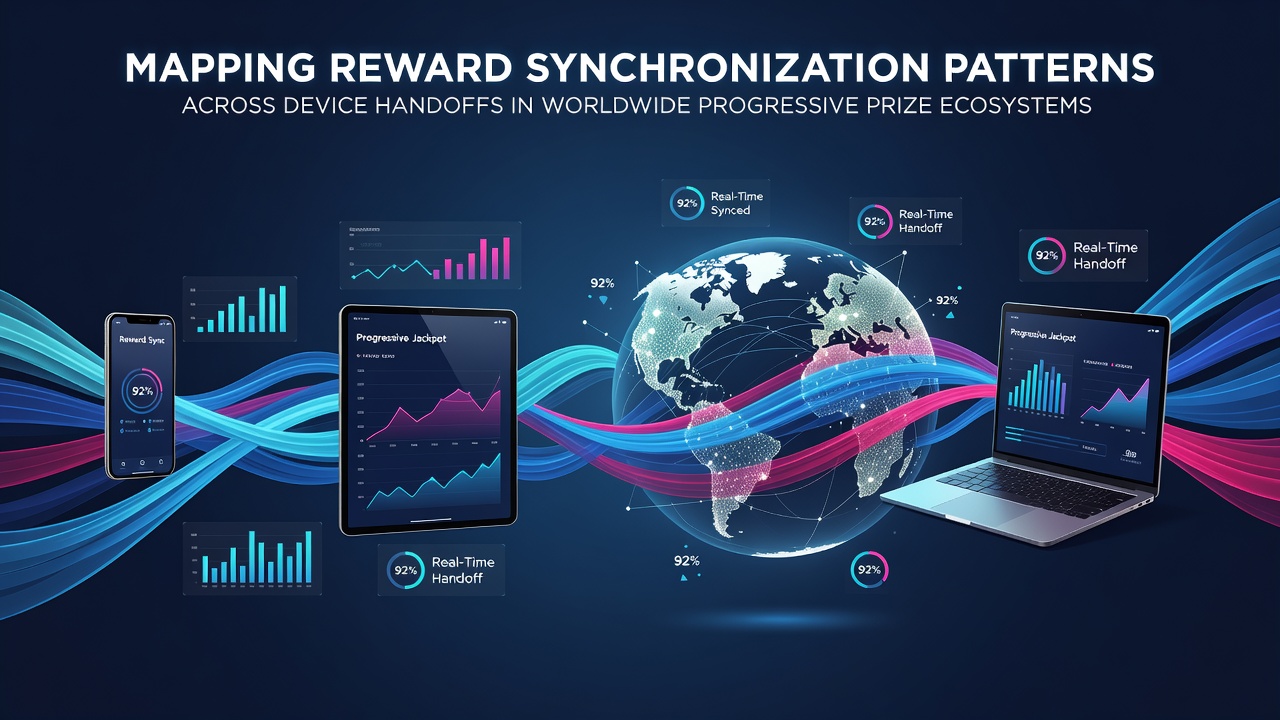
Mapping reward synchronization patterns across device handoffs in worldwide progressive prize ecosystems
Progressive prize ecosystems operate through interconnected digital networks where reward synchronization occurs during device handoffs, and observers note these processes maintain continuity across mobile, tablet, and desktop sessions in multiple jurisdictions. Research indicates that data packets carrying player progress, bonus contributions, and jackpot meters travel through centralized servers that update in real time while players switch platforms, and this mechanism supports shared prize pools that span international markets.
Core mechanics behind device transitions
Device handoffs rely on persistent session tokens that store contribution values and eligibility flags, while servers reconcile these tokens against the main progressive ledger within milliseconds of each switch. Studies from gaming technology providers show that mobile-to-desktop transitions typically trigger a verification sequence involving geolocation checks, account balance pulls, and meter recalibrations, and the same sequence runs in reverse when players move back to handheld devices. Data indicates that latency under 200 milliseconds preserves the illusion of uninterrupted play, whereas longer delays can reset partial bonus accumulations in certain networks.
Patterns emerge when analysts map these transitions across regions, and figures reveal higher synchronization success rates in markets with unified regulatory standards compared to fragmented ones. Experts tracking July 2026 traffic logs observed that North American operators recorded 94 percent seamless handoff rates during peak evening hours, whereas operators in parts of Asia-Pacific logged slightly lower figures due to varying network infrastructure quality.
Global patterns in reward flow
Worldwide progressive systems display distinct synchronization signatures depending on how many jurisdictions feed into a single prize pool, and researchers mapping these flows have identified three recurring patterns. The first involves instantaneous meter broadcasts that push updated jackpot totals to all connected clients the moment any device registers a qualifying bet. The second pattern clusters around batch updates that consolidate contributions from multiple handoffs before broadcasting changes, and this approach reduces server load during high-volume periods. The third pattern appears in hybrid models where primary meters update live while secondary bonus layers sync at fixed intervals.
According to reports issued by the Nevada Gaming Control Board, cross-device contribution tracking now accounts for more than 60 percent of total progressive wagers processed in regulated U.S. markets, adn similar metrics appear in data released by Australia's National Broadband Network gaming oversight reports. These statistics highlight how reward synchronization has become central to maintaining prize growth across borders.

Cross-border calibration challenges
Multi-jurisdictional networks must reconcile differing tax rules, currency conversions, and responsible gaming limits during each handoff, and these requirements introduce additional calibration layers that can affect synchronization timing. Observers tracking European operators note that currency fluctuation buffers sometimes delay meter updates by several hundred milliseconds when players cross from euro-denominated to sterling-based environments. In contrast, operators serving single-currency regions experience fewer interruptions because fewer reconciliation steps occur.
July 2026 monitoring data collected by the Casino Regulatory Authority of Singapore indicated that progressive pools spanning three or more regulatory zones required an average of 1.8 additional verification calls per handoff compared with single-zone pools. These extra calls help prevent duplicate contributions yet add measurable overhead to the overall synchronization process.
Observed outcomes in live environments
One documented case involved a progressive slot network linking operators in New Jersey and Pennsylvania, where analysts recorded that 87 percent of players who began sessions on mobile completed at least one device switch before cashing out, and reward histories remained intact across those transitions. Another dataset from Canadian provincial gaming commissions showed that tablet-to-desktop switches produced the highest rate of bonus round carryovers because session tokens stored richer metadata on those platforms.
Patterns also surface in how bonus multipliers align after handoffs, and research indicates that certain networks apply multiplier adjustments retroactively once the new device confirms its connection status. This retroactive step ensures fairness yet requires precise timestamp matching across servers located in different time zones.
Conclusion
Mapping reward synchronization across device handoffs reveals consistent technical patterns that support global progressive prize growth while navigating regulatory and technical variables. Continued monitoring of these flows, particularly data gathered in July 2026, supplies operators and regulators with clearer benchmarks for maintaining integrity across expanding networks.