The Interplay of Behavioral Data Patterns and Tiered Payout Structures in Cross-Border Digital Gaming Networks
Written by Olivia Lehmann · May 17, 2026
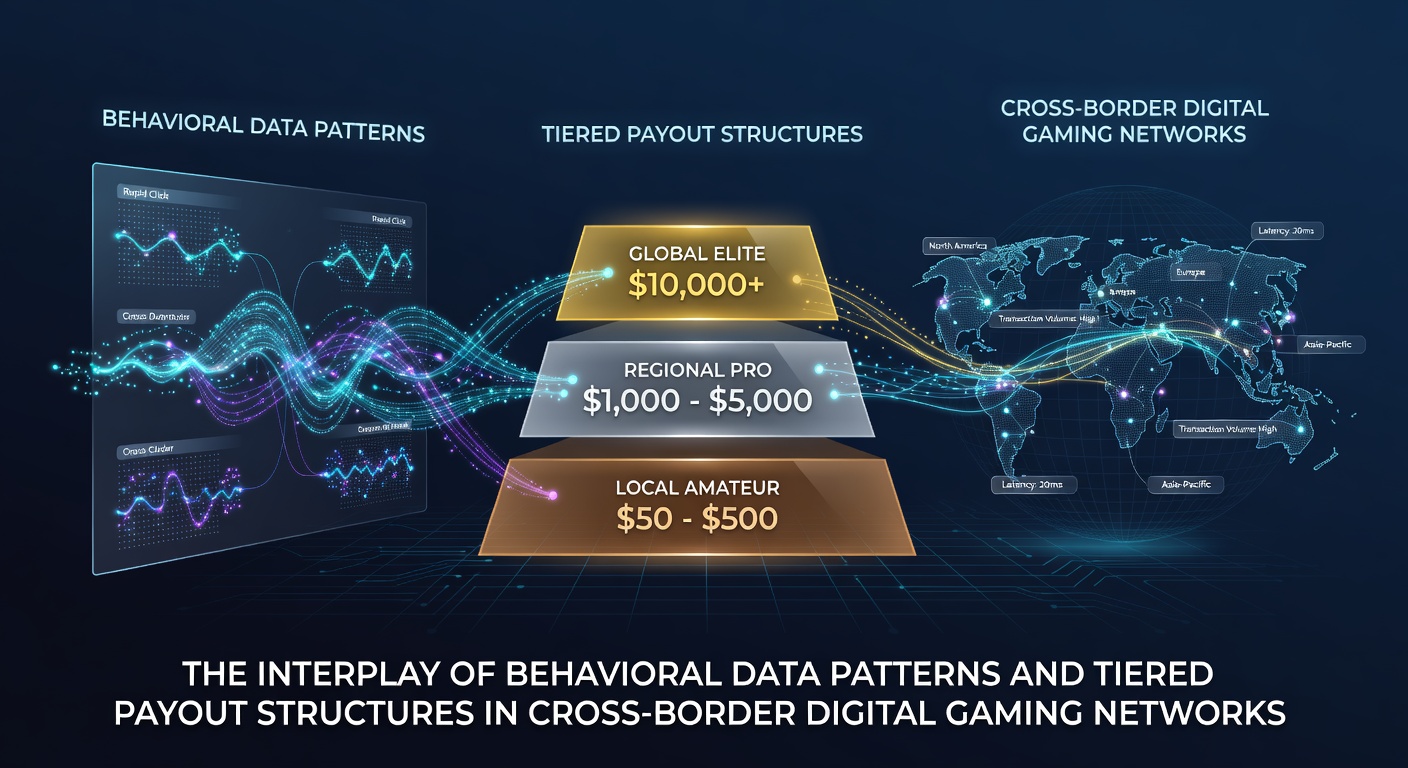
The Interplay of Behavioral Data Patterns and Tiered Payout Structures in Cross-Border Digital Gaming Networks
Operators in cross-border digital gaming networks collect extensive behavioral data on player activity including session duration, wager frequency, game selection sequences, and response rates to promotional triggers, and these datasets feed directly into algorithms that assign participants to tiered payout categories ranging from standard reward levels to premium multiplier structures. Research from multiple regulatory bodies shows that such integration allows platforms to maintain compliance while optimizing revenue streams across jurisdictions where laws differ on minimum return-to-player percentages and bonus eligibility rules. Data indicates that patterns like late-night high-stakes sessions often correlate with movement into higher tiers, whereas sporadic low-volume play tends to keep accounts at base levels with standard payout schedules.
Behavioral Patterns Tracked Across Borders
Analysts at international gaming associations monitor how users interact with slot mechanics, table games, and live dealer interfaces in real time, and patterns emerge around peak hours in different time zones that influence payout tier progression. For instance one study compiled by Canadian regulatory researchers revealed that cross-border players from North American markets frequently shift wager sizes based on regional currency fluctuations, prompting networks to recalibrate tier thresholds accordingly. Those who study these systems note that loyalty metrics derived from deposit consistency and withdrawal patterns help distinguish between recreational participants and those eligible for enhanced structures, yet operators must reconcile these insights with varying data protection standards in the European Union and Asia-Pacific regions.
Data Integration and Tier Assignment
Platforms aggregate behavioral signals through centralized dashboards that process inputs from mobile apps and desktop clients simultaneously, and this unified view enables dynamic adjustments where high-engagement users receive access to accelerated payout ladders featuring progressive bonus pools. Figures from the Australian Communications and Media Authority highlight steady growth in tracked sessions during early 2026, with many networks reporting that tier upgrades occur after sustained activity spanning multiple weeks rather than isolated wins. Observers point out that algorithms weigh factors such as average bet size against game volatility ratings, which creates a feedback loop where players in elevated tiers encounter slightly adjusted house edges calibrated to encourage continued participation while staying within legal bounds.
Regulatory Variations Shaping Payout Tiers in May 2026
By May 2026 several markets had introduced updated reporting requirements for behavioral analytics used in payout calculations, and these rules compel operators to document how data patterns justify tier differences when serving users from multiple countries. In practice networks apply region-specific filters so that participants in jurisdictions with strict bonus caps remain in lower tiers until activity thresholds align with local guidelines, whereas those in more permissive areas advance faster. Research indicates that seamless cross-border functionality depends on modular payout engines capable of switching between regulatory modes without disrupting user experience, and trade groups such as the American Gaming Association have published summaries detailing compliance approaches adopted by major platforms.
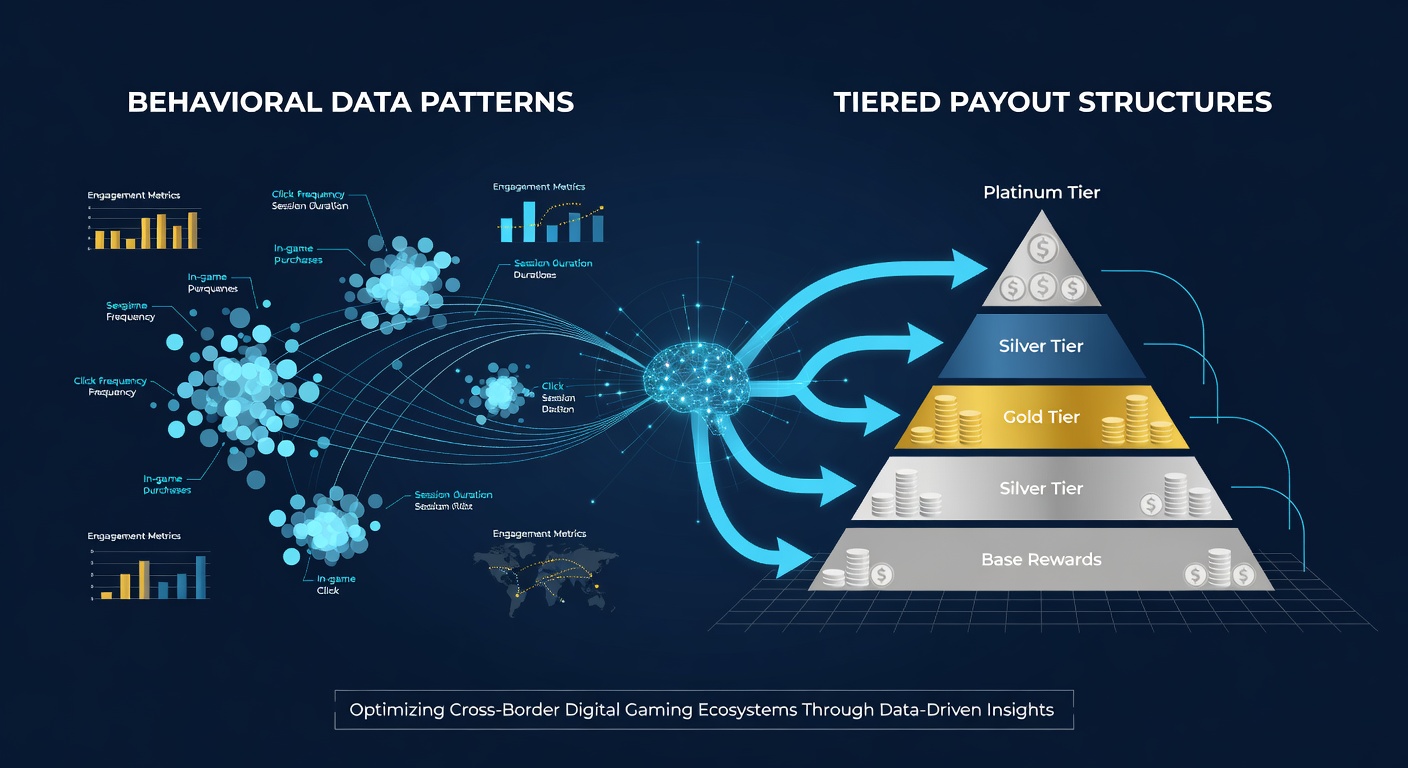
What's interesting is how sudden shifts in play style, such as an abrupt increase in session length, can trigger immediate tier reviews and subsequent payout recalibrations, and networks achieve this through automated alerts tied to predefined thresholds. But here's the thing: operators balance these mechanisms against anti-money-laundering protocols that scrutinize rapid tier jumps, especially when accounts span borders where currency reporting thresholds vary. Data from industry reports compiled in early 2026 shows consistent use of machine learning models to predict tier eligibility weeks in advance, allowing preemptive adjustments that reduce regulatory friction during audits.
Challenges in Maintaining Consistent Structures
Cross-border networks face ongoing hurdles when behavioral data collected in one region conflicts with payout rules enforced elsewhere, and teams address this by segmenting user profiles into geo-fenced categories that inherit only compatible tier benefits. European regulatory updates around that period emphasized transparency in how algorithms translate play patterns into reward differentials, prompting several providers to release explanatory documents for players. Those who've examined the infrastructure note that tiered systems often incorporate time-decayed metrics, where older behavioral data carries less weight than recent activity, which helps networks respond to seasonal fluctuations in international traffic without violating fairness standards.
Conclusion
Overall the connection between behavioral data patterns and tiered payout structures continues to evolve as operators refine algorithms to handle increasing volumes of cross-border transactions while adhering to diverse regulatory landscapes. Evidence from multiple sources demonstrates that effective integration supports sustainable network growth, and ongoing developments through mid-2026 point toward greater standardization in data handling practices across key markets. Stakeholders monitor these trends closely because they directly affect platform viability and user retention metrics in a competitive global environment.