Tracing Contribution Rates From Individual Bets Into Collective Prize Funds Across Platform Ecosystems
Written by Eden Otto · Aug 2, 2026

Tracing Contribution Rates From Individual Bets Into Collective Prize Funds Across Platform Ecosystems
Operators in multi-platform gaming networks divert a fixed percentage of every qualifying bet into centralized prize funds that support progressive jackpots and shared reward structures. These contribution rates typically range from 1 to 5 percent depending on the game category and jurisdictional rules, with the exact allocation tracked through backend accounting systems that update in real time. Data from regulatory filings shows that consistent application of these rates across thousands of daily transactions produces the substantial prize pools reported in industry summaries.
Mechanics of Individual Bet Allocation
Each wager placed on a progressive slot or linked table game triggers an automatic split where the base amount goes to the house while the designated contribution segment moves into a common ledger. Software platforms log every transaction with timestamps and player identifiers so auditors can verify that the correct share reaches the collective fund without delay. Researchers at several universities have examined transaction logs and confirmed that automated reconciliation processes maintain accuracy even when bets originate from different devices and geographic locations.
Contribution pathways often include both local and network-wide segments. A local pool might receive 2 percent of each bet while an additional 1 percent routes to a broader ecosystem fund that connects multiple operators under shared agreements. This layered approach allows smaller sites to participate in larger jackpots without managing the full infrastructure themselves.
Cross-Platform Pooling in August 2026
By August 2026 several major ecosystems had expanded their shared fund arrangements to include new markets in North America and Asia-Pacific regions. Regulatory updates in multiple jurisdictions required operators to publish contribution rate schedules quarterly, which created greater transparency around how individual wagers accumulate across borders. Figures released by the Ontario iGaming authority indicated that cross-platform progressive funds grew by double-digit percentages during the first half of the year as participation increased.
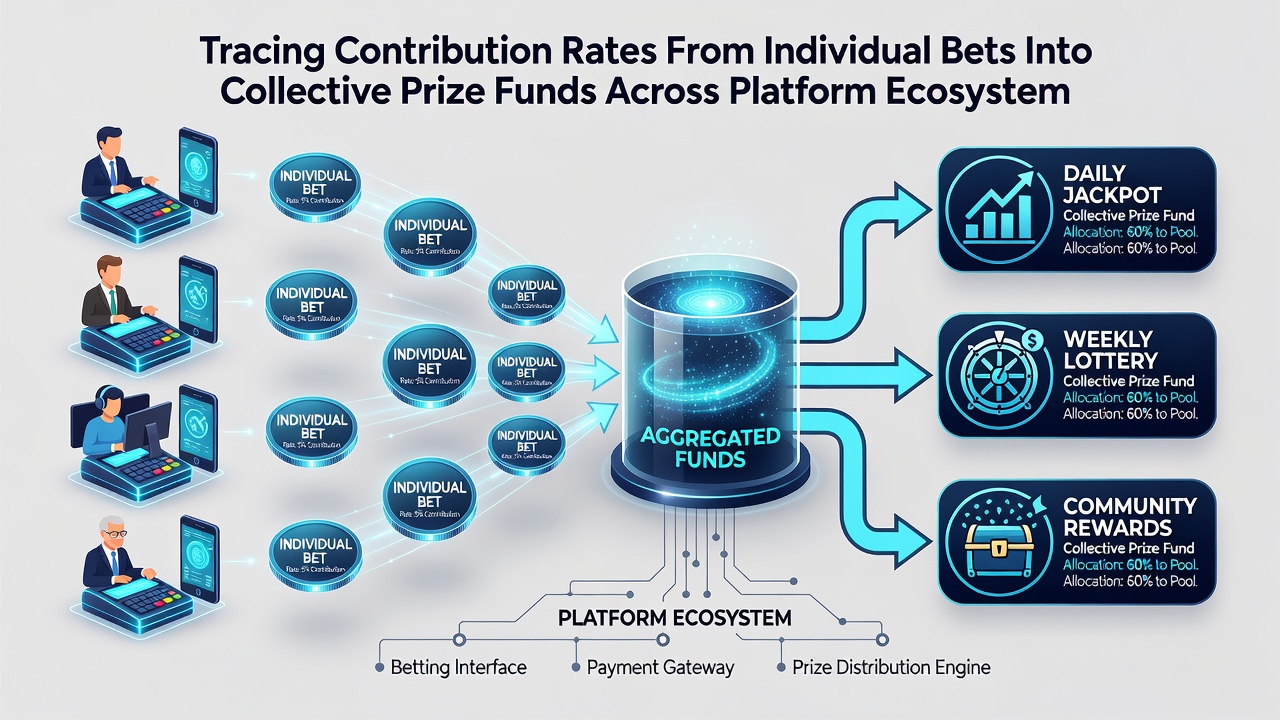
Platform providers use application programming interfaces to synchronize contribution data across separate servers. When a player places a bet on one site the system instantly notifies connected platforms so the collective pool reflects the addition within seconds. This synchronization prevents discrepancies that could arise from timing differences between markets operating in different time zones.
Verification and Compliance Processes
Independent testing laboratories examine contribution rate settings during regular audits to confirm that no deviation occurs outside approved parameters. These laboratories receive anonymized data samples that cover millions of transactions and then compare calculated contributions against actual fund balances. Reports from such audits appear in public summaries issued by bodies including the New York State Gaming Commission and similar agencies in other regions.
Operators maintain detailed records that link every contribution back to its source bet. This traceability supports both regulatory oversight and internal financial reporting. When discrepancies surface during reconciliation the systems flag the affected transactions for manual review before teh next reporting cycle closes.
Distribution of Accumulated Funds
Once a progressive jackpot triggers the system distributes the accumulated amount according to predefined rules that vary by game and jurisdiction. Some ecosystems pay the full prize from the shared pool while others reserve a portion for secondary awards or reseeding the next cycle. Accounting statements show that these distribution protocols remain consistent across platforms even as total fund sizes fluctuate with player volume.
Industry associations publish aggregated statistics that track average contribution rates and resulting prize growth across different game types. These reports help operators benchmark their own systems against sector norms without revealing proprietary details about individual sites.
Conclusion
Contribution rate tracing forms a core operational element in modern gaming ecosystems where individual bets feed collective prize funds through automated and audited pathways. Regulatory requirements in multiple jurisdictions continue to shape how these mechanisms function while platform technology maintains the real-time accuracy needed for large-scale pooling. Observers note that transparent reporting of these processes supports both compliance and player confidence in shared reward structures.