Tracing Engagement Metrics That Scale Collective Payout Reservoirs in Transnational Reel Networks
Written by Eden Otto · Aug 18, 2026
Tracing Engagement Metrics That Scale Collective Payout Reservoirs in Transnational Reel Networks
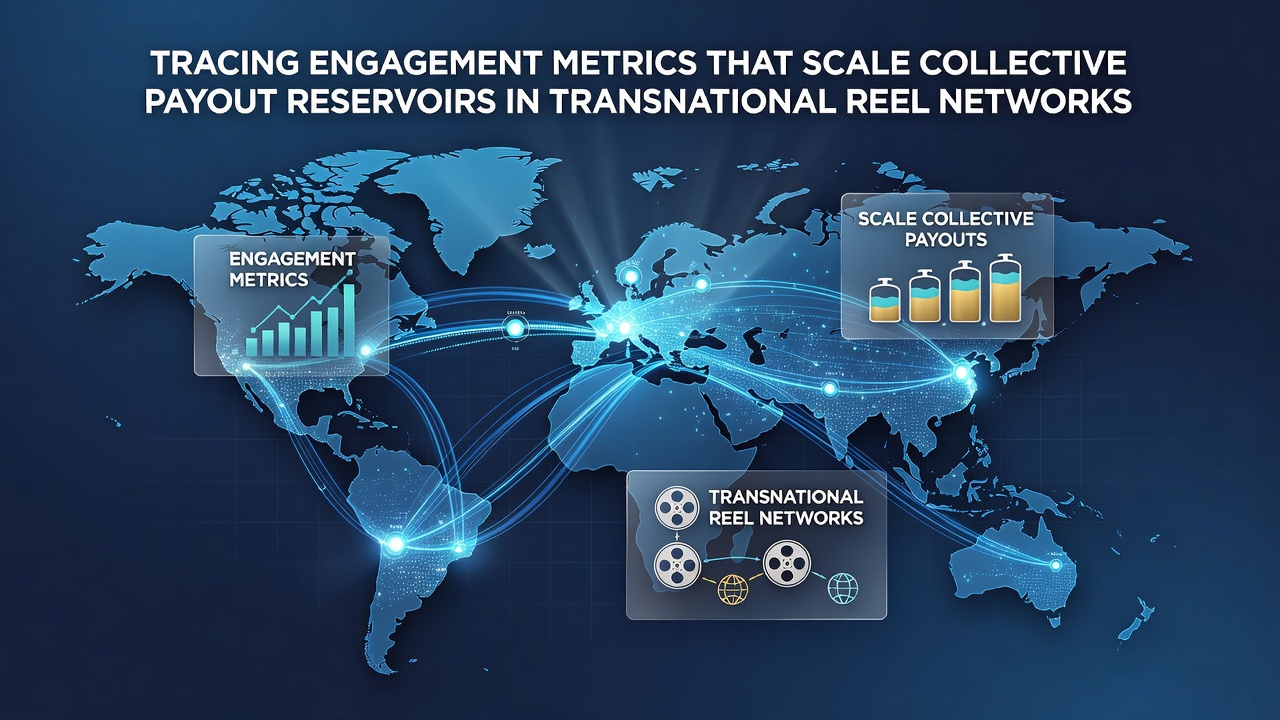
Transnational reel networks operate through interconnected slot systems where progressive jackpot pools accumulate across multiple jurisdictions and operators, and engagement metrics serve as the primary drivers that determine contribution rates into these shared reservoirs. Data from player sessions, including spin frequency, average wager size, session duration, and cross-game transitions, feed directly into algorithms that adjust how much each bet contributes to the collective pool, according to reports from regulatory bodies in various regions.
Core Engagement Indicators in Cross-Border Systems
Operators track several specific metrics to calibrate reservoir growth, and these include real-time participation rates, retention across time zones, and device-switching patterns that signal sustained activity. When players maintain consistent engagement levels over extended periods, contribution percentages to the shared pool can increase automatically, which accelerates reservoir scaling in networks spanning North America, Europe, and Asia-Pacific markets. Figures from the Ontario Lottery and Gaming Corporation reveal that networks incorporating multi-device tracking saw pool contributions rise by measurable margins during periods of elevated cross-border play in early 2026.
Behavioral Data Pathways and Reservoir Calibration
Behavioral datasets flow through centralized servers that process inputs from different licensing authorities, and these systems apply weighting factors based on jurisdiction-specific rules while maintaining a unified pool structure. For instance, a player completing 500 spins within a single session across linked platforms triggers incremental boosts to the contribution multiplier, whereas sporadic activity registers lower weightings that slow reservoir expansion. Research from the Australian Institute of Criminology has documented how such calibrated pathways maintain equilibrium in pools that draw from both regulated online slots and land-based terminals connected via international agreements.
August 2026 brought notable updates to several transnational agreements, and data collected during that month showed heightened engagement from mobile users who transitioned between regional servers, resulting in faster accumulation rates for collective reservoirs. Those who monitor these networks observe that metrics related to bonus round completions and feature triggers often correlate with sustained contributions, because players who activate layered bonuses tend to extend playtime and thereby feed additional funds into the shared pool.
Scaling Mechanisms Across Jurisdictions
Scaling occurs when aggregated metrics surpass predefined thresholds, at which point the system reallocates portions of each wager to accelerate pool growth rather than maintaining static contribution rates. This process relies on live dashboards that integrate inputs from regulators in Canada, Australia, and select European markets, ensuring compliance while optimizing reservoir velocity. One study released by the European Gaming and Betting Association examined data from 2025 and 2026, finding that networks using synchronized engagement tracking achieved more stable reservoir growth compared to fragmented regional models.

What's interesting is how device-specific patterns influence overall scaling, because desktop sessions often register higher average bets that directly enlarge contributions, while mobile sessions contribute through volume and frequency instead. When operators combine these signals, they can adjust reservoir algorithms in near real time, which prevents stagnation during lower-traffic periods and maintains momentum across time zones. Data shows that transnational networks experienced measurable reservoir expansion in August 2026 after implementing refined tracking for session handoffs between devices.
Integration of Metrics with Payout Structures
Payout structures in these networks depend on continuous metric input to determine when reservoirs reach trigger points for major awards, and the process involves layered verification from multiple regulatory sources to confirm fair distribution. Researchers have noted that engagement velocity, defined as the rate at which active players generate contributions per hour, serves as a leading indicator for impending reservoir releases. Networks that maintain transparent reporting on these metrics, such as those overseen by the Nevada Gaming Control Board in coordination with international partners, demonstrate consistent scaling even amid fluctuating player bases.
Observers note that correlations between live interaction data and subsequent slot engagement further support reservoir growth, because players who participate in connected live elements often return to reel games and extend their contribution periods. This creates a feedback loop where initial engagement metrics compound over time, allowing the collective pool to scale without requiring uniform activity levels from every participating jurisdiction.
Conclusion
Tracing engagement metrics within transnational reel networks reveals a system where player behavior directly governs the expansion of shared payout reservoirs through automated calibration and cross-jurisdictional data integration. August 2026 data underscored how refined tracking of session patterns and device transitions sustains reservoir growth across borders, and ongoing developments in metric collection continue to shape how these networks allocate contributions from diverse player bases.