Tracing Synchronized Reward Pathways Across Unified Digital Entertainment Frameworks Spanning Device Boundaries and Regulatory Zones
Written by Eden Otto · Jul 14, 2026
Tracing Synchronized Reward Pathways Across Unified Digital Entertainment Frameworks Spanning Device Boundaries and Regulatory Zones
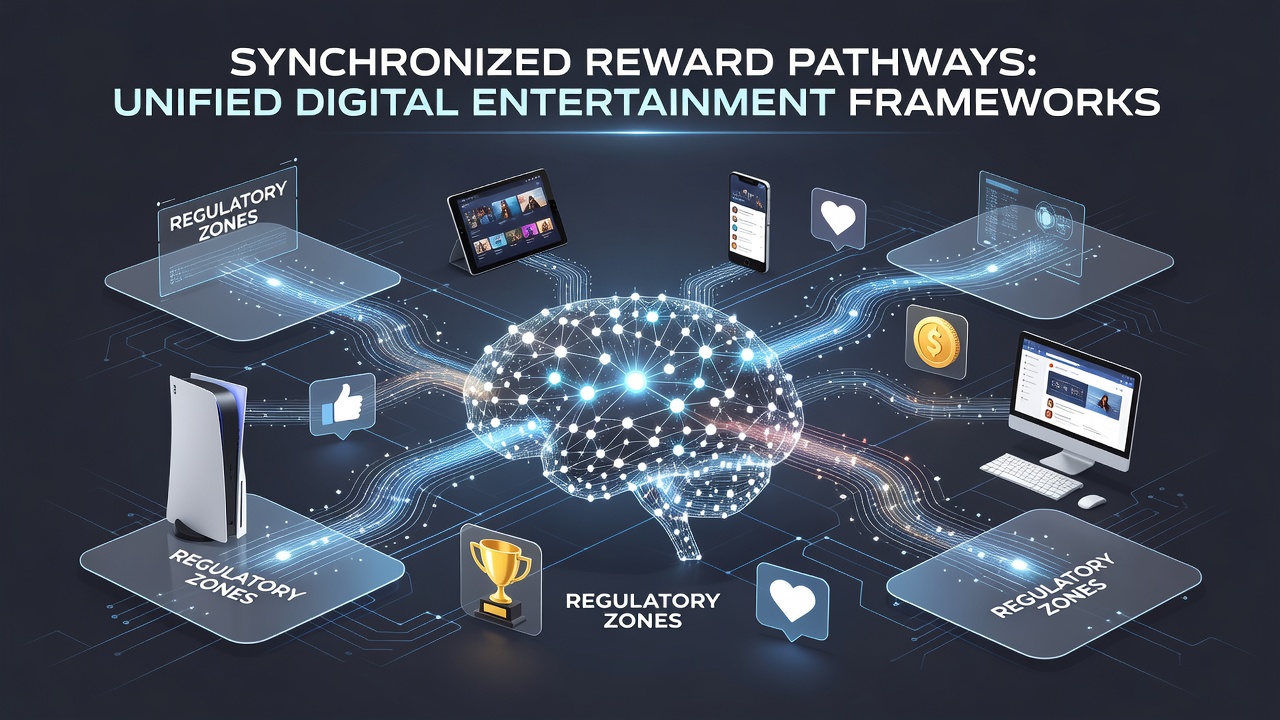
Digital entertainment platforms now operate through unified frameworks that connect reward systems across smartphones, tablets, desktops and consoles while respecting separate regulatory zones in different jurisdictions, and observers note that tracing these synchronized pathways requires mapping data flows that begin with user actions on one device and continue through centralized servers that adjust balances in real time.
Core Components of Synchronized Reward Systems
Unified frameworks rely on application programming interfaces that transmit player progress, bonus triggers and payout calculations between devices without resetting accumulated values, while regulatory zones impose distinct rules on data storage, taxation reporting and age verification that platforms must satisfy simultaneously. Researchers have documented how these systems use timestamped transaction logs to maintain consistency, and data from industry reports indicate that synchronization occurs at intervals as short as every few seconds during active sessions. Those who study cross-device entertainment note that central ledgers store reward states separately from local device caches, which allows a user to begin a session on a mobile application in one country and continue on a desktop interface in another without loss of progress.
Technical Mechanisms for Cross-Device Continuity
Engineers design reward pathways using distributed database architectures that replicate entries across regional nodes while enforcing jurisdiction-specific access controls, and studies from technology research institutions show that encryption layers protect the transmission of reward data between devices. When a player earns a multiplier or unlocks a tiered bonus, the system records the event in a shared repository that downstream applications query upon login, and this process prevents duplication while allowing real-time updates. Observers note that latency issues arise primarily during international handoffs, yet frameworks employ predictive caching to preload relevant reward data based on user location patterns.
Regulatory Compliance Across Jurisdictional Lines
Platforms must align reward synchronization with rules set by bodies such as the Nevada Gaming Control Board and the Casino Regulatory Authority of Singapore, each of which maintains distinct standards for audit trails and consumer protection disclosures. Data shows that compliance teams implement geo-fencing modules that adjust visible reward options according to the detected regulatory zone, and these modules operate alongside the core synchronization engine rather than replacing it. In July 2026, updates to reporting formats in multiple regions required additional metadata fields in reward logs, which developers integrated without interrupting active user sessions. External analyses from academic centers confirm that such adjustments preserve pathway integrity while meeting new transparency requirements.
Challenges in Maintaining Pathway Integrity
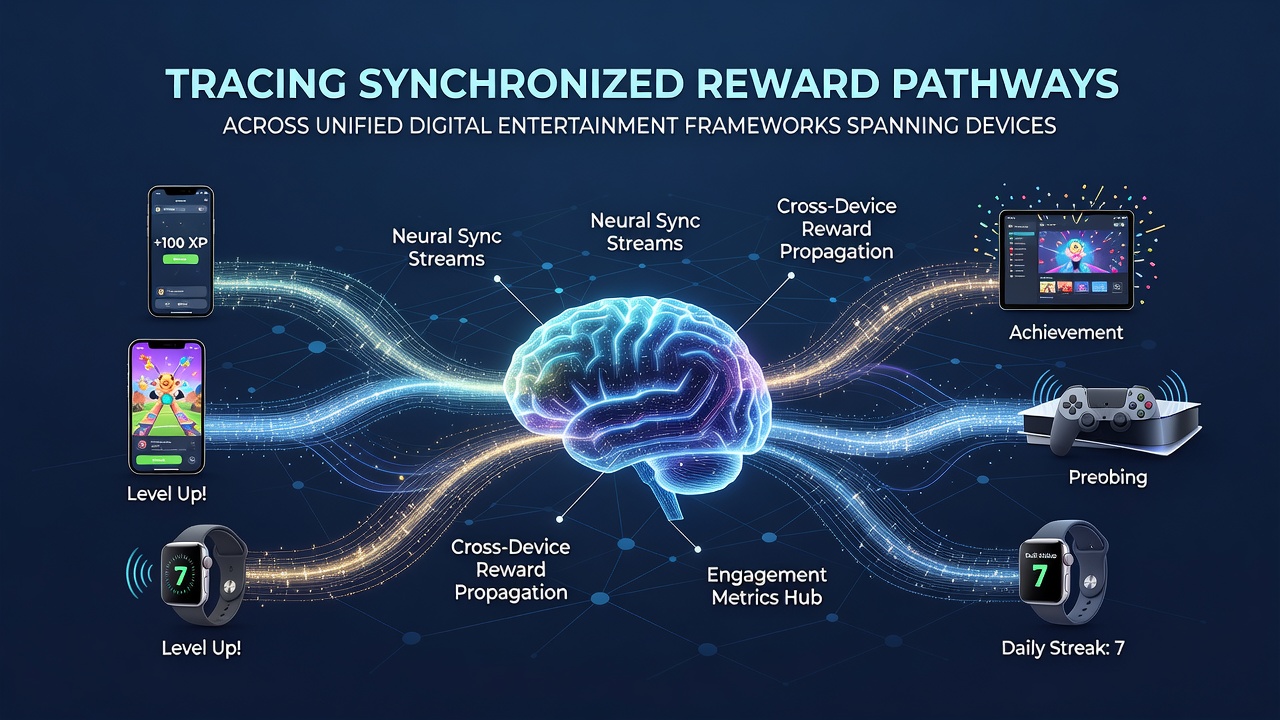
Device boundary transitions introduce variables such as operating system updates, network interruptions and hardware differences that can affect how reward events register, yet frameworks counter these through redundant verification checks that compare local and server-side records before finalizing any change. Those examining multi-jurisdictional operations find that mismatched time zones and daylight-saving adjustments occasionally require manual reconciliation in audit processes, and automated scripts now handle most of these corrections. What's interesting is how platforms incorporate fallback protocols that pause reward accrual during detected inconsistencies until synchronization resumes, thereby protecting both users and operators from disputed balances.
Analytical Approaches to Mapping Reward Flows
Analysts employ graph-based visualization tools to trace reward pathways from initiation points through intermediate servers and final payout stages, and these tools highlight where regulatory checkpoints intersect with technical handoffs. Research indicates that pattern detection algorithms identify common sequences across thousands of sessions, revealing which device types generate the highest volume of synchronized bonus triggers. One study revealed that cross-border sessions often involve more frequent server queries, and this finding prompted refinements in load-balancing strategies used by major platform operators. People who've examined these maps observe that regulatory zones with stricter data localization rules create additional nodes in the pathway graph, which in turn influences overall system performance metrics.
Future Directions for Unified Frameworks
Developments in edge computing and blockchain-based ledgers continue to shape how reward synchronization evolves, with early implementations already allowing immutable records of cross-device events that satisfy multiple regulatory reporting standards at once. Figures from technology forecasts project wider adoption of these methods by late 2026, particularly in markets where device diversity among users continues to expand. Experts tracking these trends note that integration with emerging regulatory updates remains a central focus for engineering teams responsible for maintaining pathway reliability across borders.
Conclusion
Tracing synchronized reward pathways in unified digital entertainment frameworks requires coordinated attention to both technical infrastructure and regulatory constraints that span device types and geographic zones, and ongoing refinements ensure these systems maintain continuity while adapting to new compliance demands. Data from regulatory filings and technical evaluations demonstrate that such frameworks support seamless user experiences without compromising oversight requirements in any participating jurisdiction.